Recognize
Use Pico’s infrared images with a suitable model on your connected host.
RecognizeUSB 3D depth camera for makers.
Meet Pico, the compact USB 3D depth camera for your next big little idea. Add measured distance and infrared images to a desktop robot, touchless control or weekend invention. Bring your curiosity. Build something that responds.
Pico by MagikEye | Powered by Raspberry Pi
Factory calibrated | Depth + infrared images | One USB connection
Start with live depth in MkE Connect on a supported computer or Android device connected to Pico by USB.
Pico supplies sensing data. Recognition, reasoning and control come from your application software.
Use Pico’s infrared images with a suitable model on your connected host.
RecognizeAssociate depth measurements with an object to estimate its position.
SpecificationsLet your application decide what happens next.
Getting startedGive your code more than a picture. Infrared images bring visual detail, and depth adds measured distance. Put them to work in software that explores what is there and where it sits.
What is Physical AI?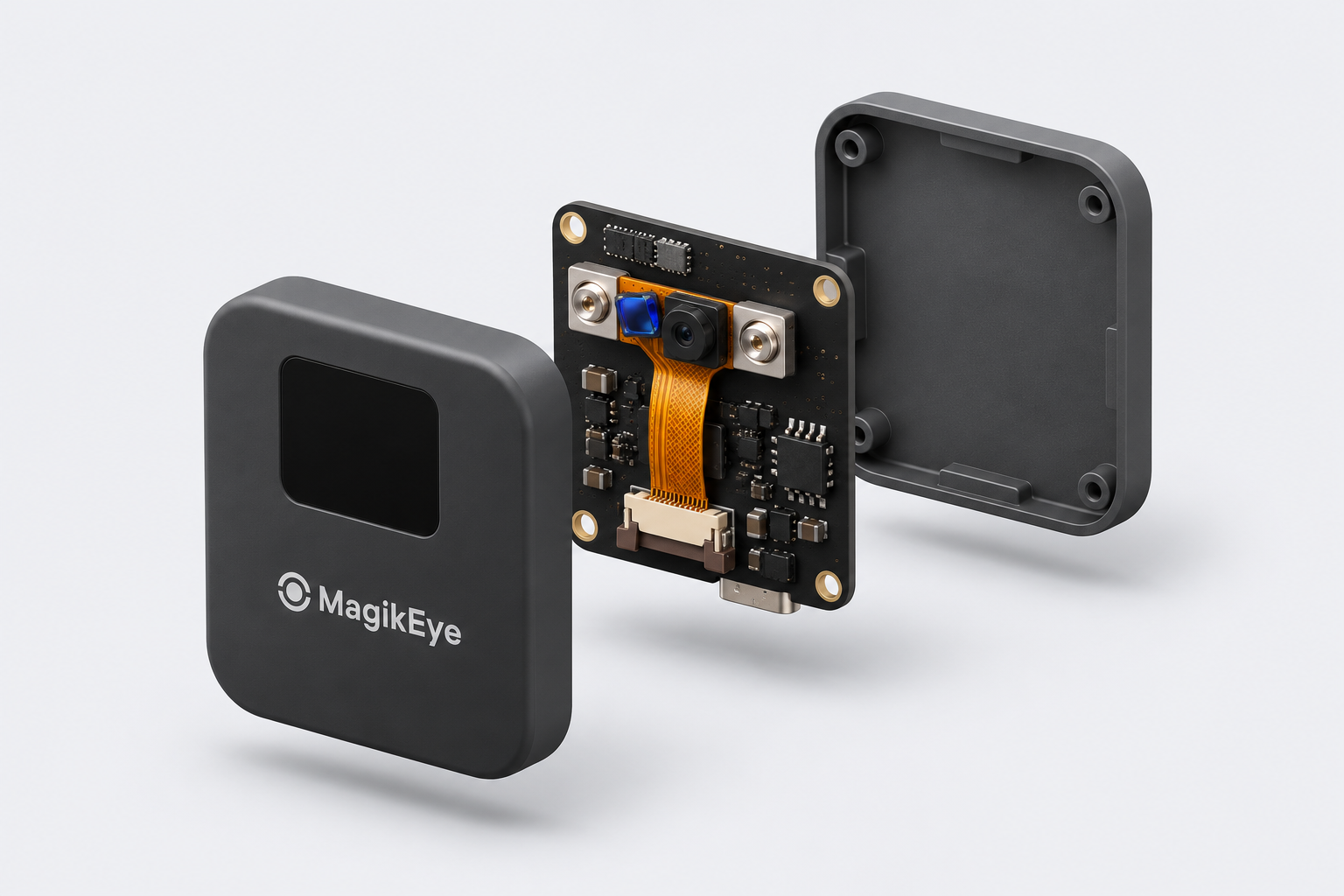
A curious robot on your desk. A game that responds to your hand. A device that checks where you placed your cup. Start with a problem you want to solve.
These are potential applications, not ready-made Pico features. Recognition and control require your own software.
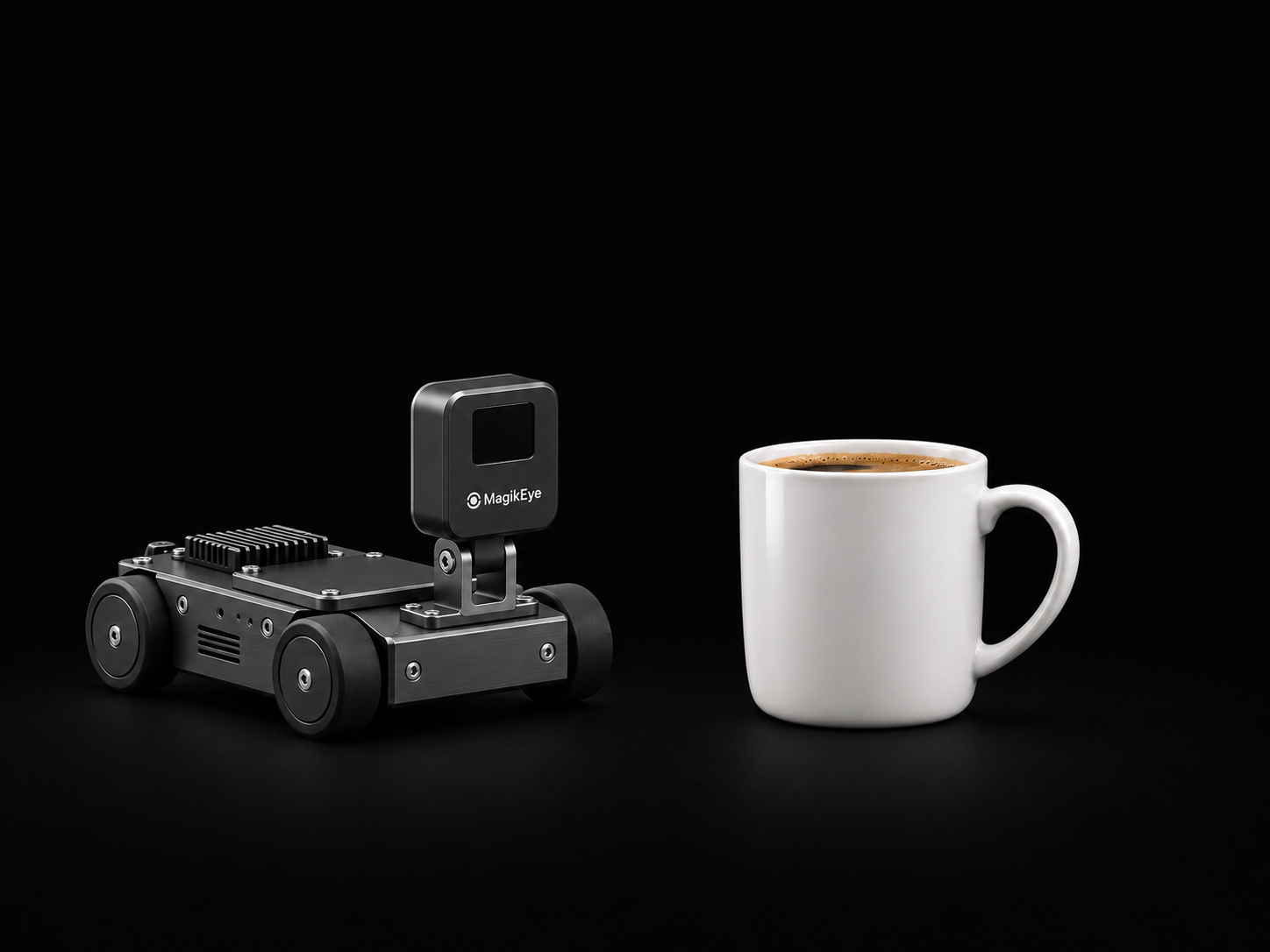
Give a tabletop robot depth and infrared images. Start with a distance reading, then add a suitable host-side model to explore object recognition.
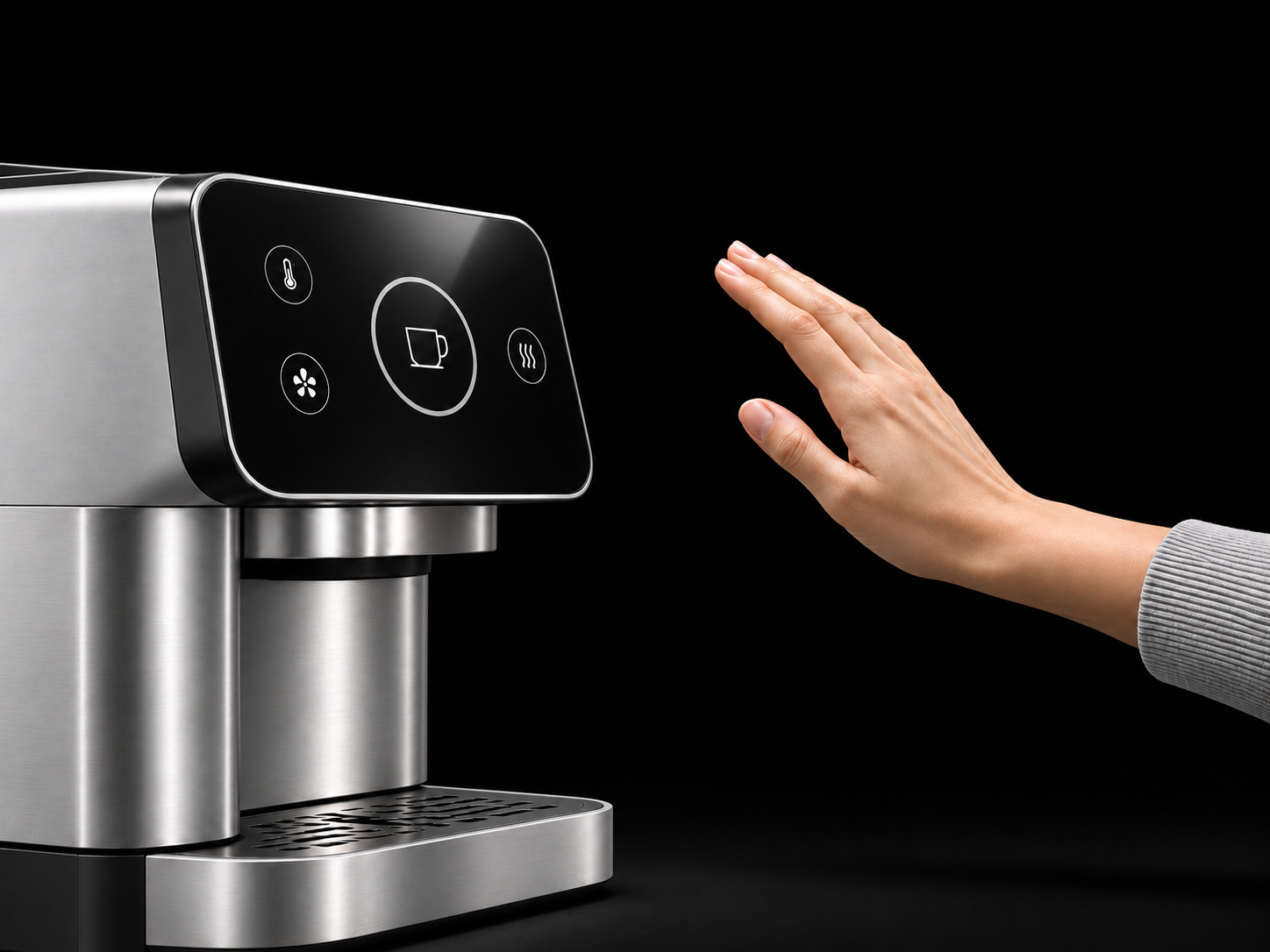
Build an interaction around a hand entering a chosen distance zone. Add infrared image analysis to explore gesture-based responses.
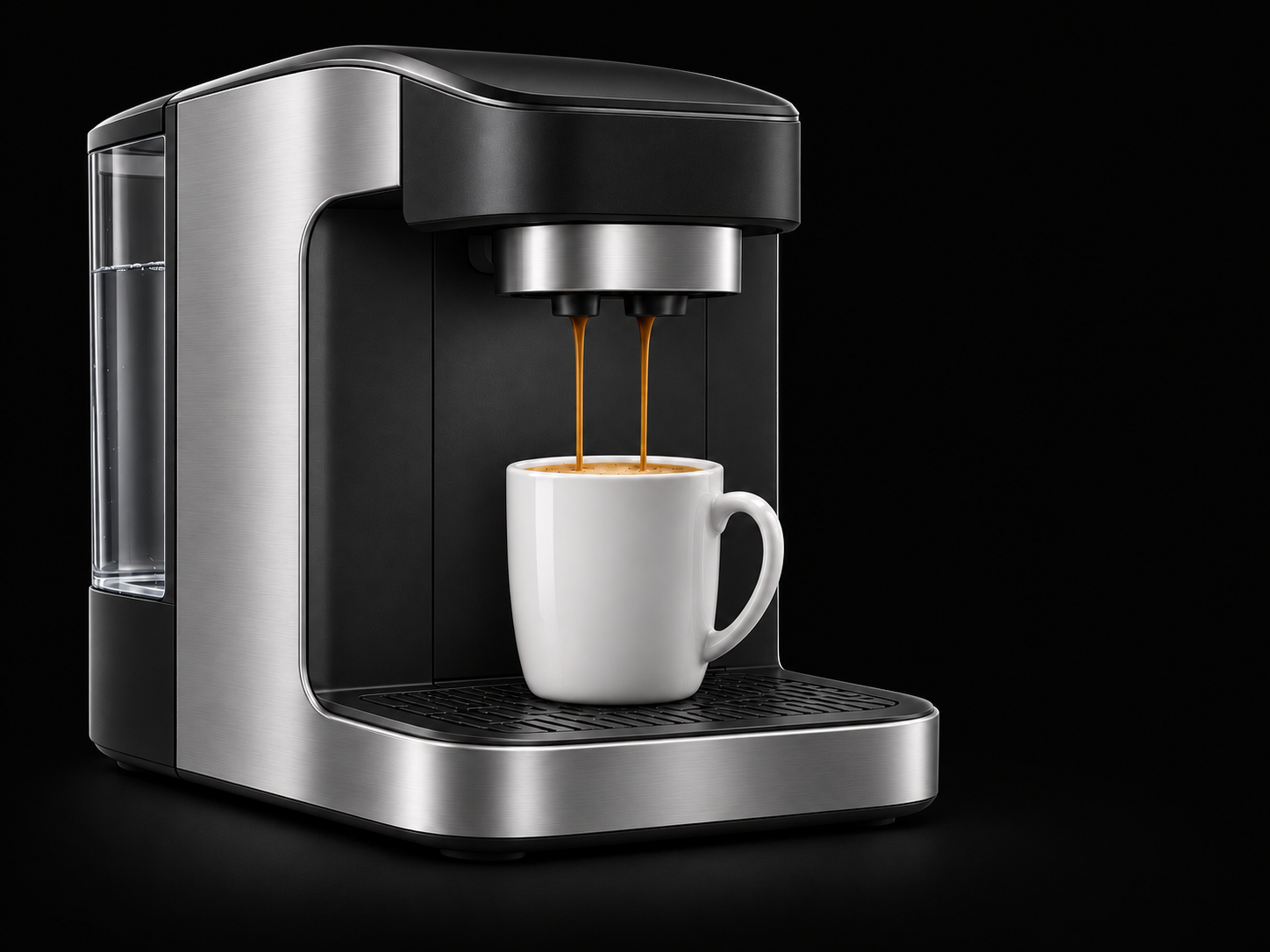
Prototype a cup-placement indicator or an object-arrival alert. Combine image analysis and depth to explore what is present and where it sits.
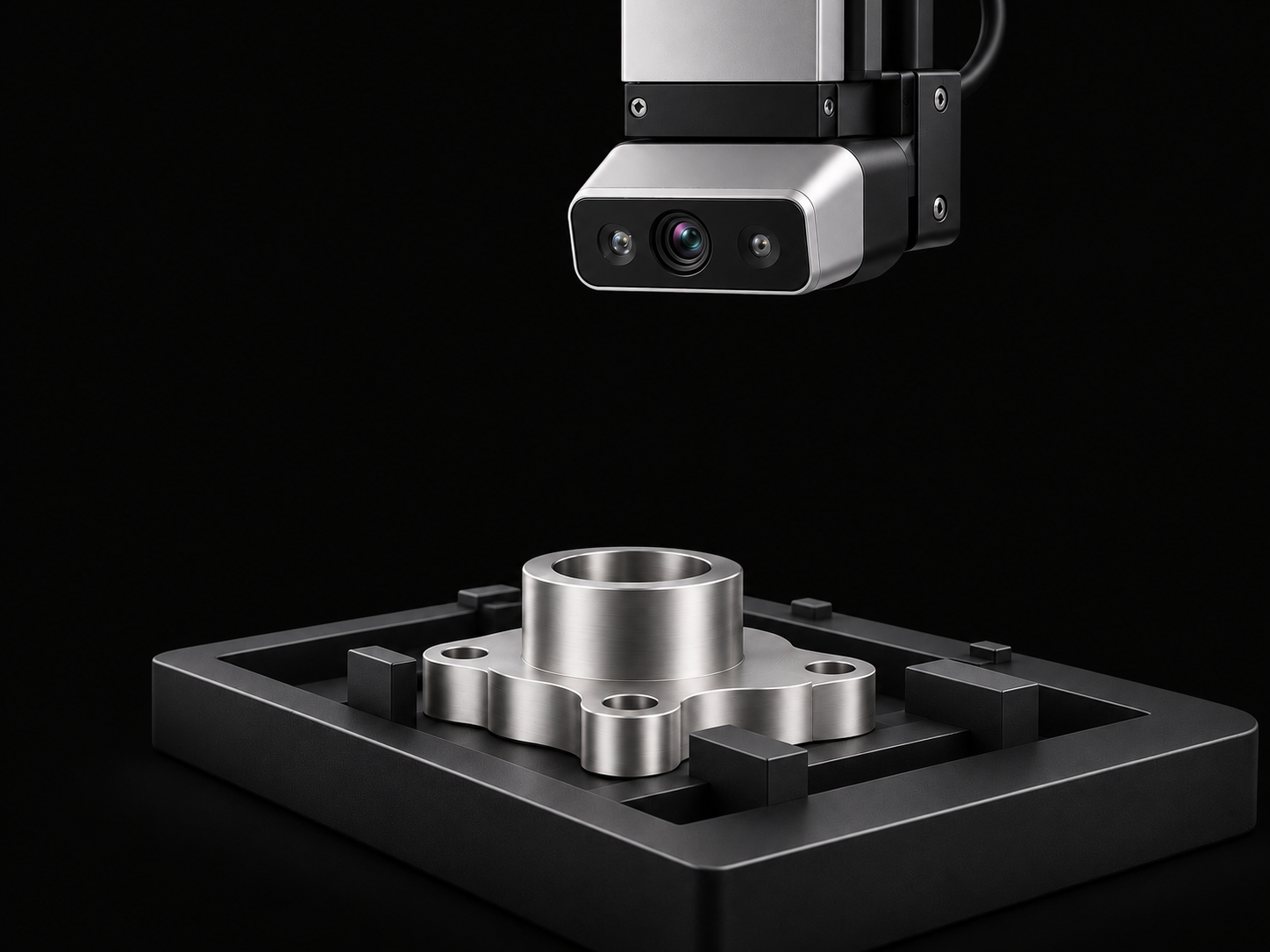
Use depth points to explore obstacle detection within the sensor’s working area. Test coverage and response in your scene before connecting movement.
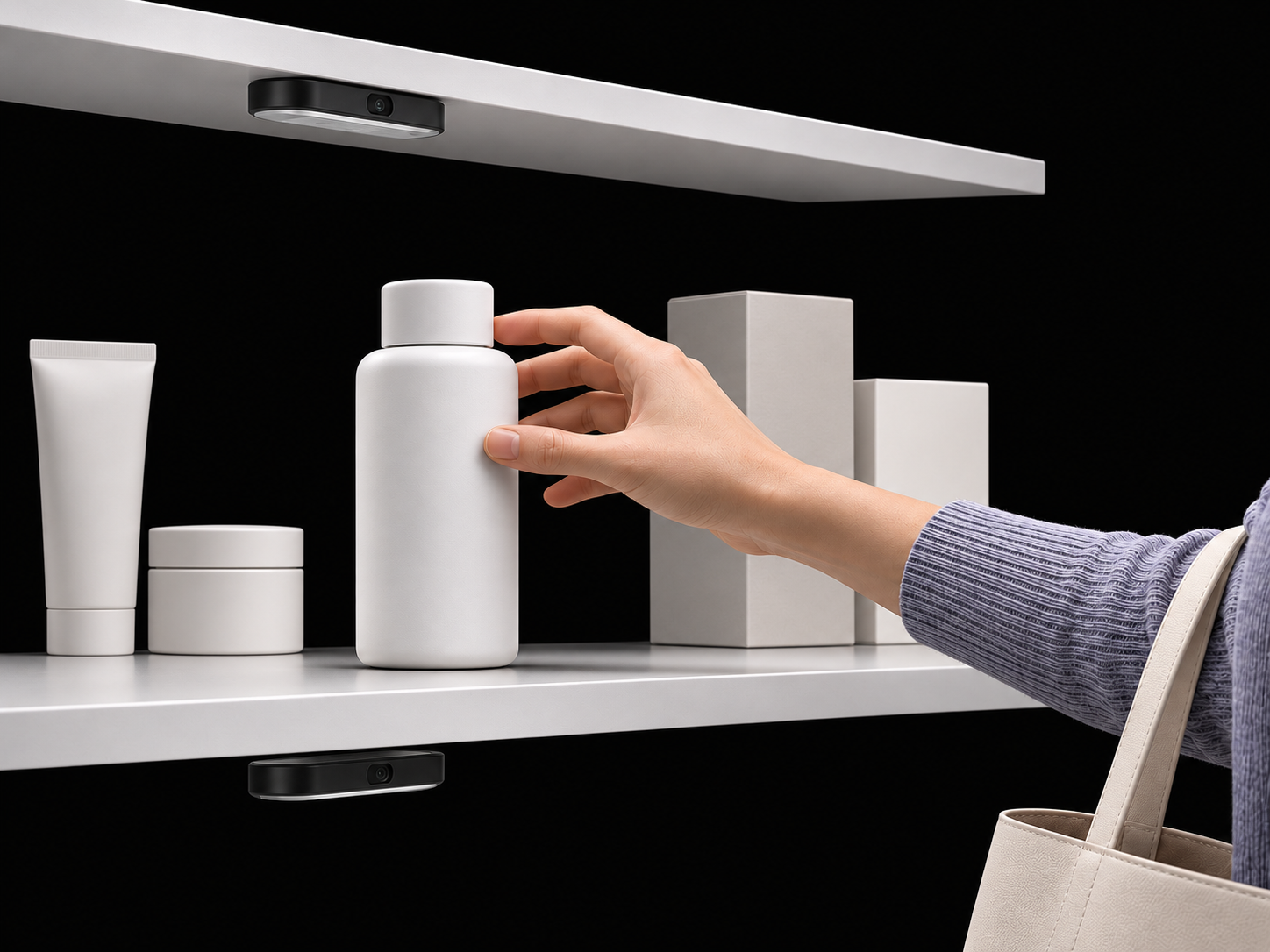
Create an exhibit that responds to a nearby reach. Use distance and image data to build the interaction around your idea.
Move an object. Watch the points change. A point cloud turns measured distances into a 3D view of nearby surfaces. Compare it with the infrared image and start spotting ideas for your next build.
In combined mode, Pico alternates depth and infrared captures. The colored point-cloud display represents depth, not a color photograph.
Start with live depth in MkE Connect on a supported computer or Android device connected to Pico by USB. This device is your host: it supplies USB power, receives Pico’s data and runs the viewer or your application software.
Getting started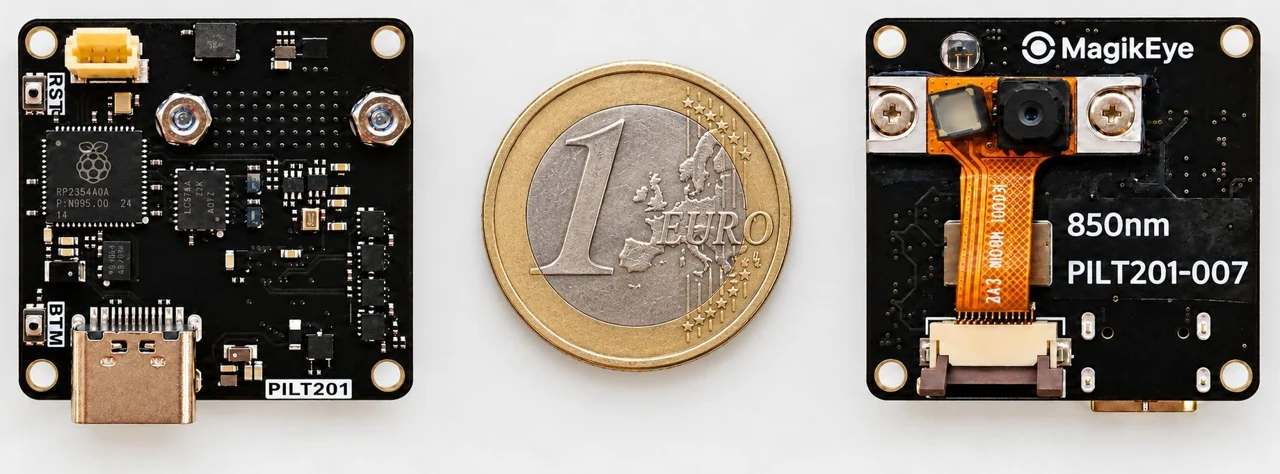
Pico brings MagikEye’s Invertible Light Technology into a compact sensing product with a Raspberry Pi RP2354 microcontroller. Pico processes depth measurements on the sensor. Your connected host runs the viewer, recognition software and application logic. A separate Raspberry Pi computer is optional; check the release compatibility guide for any host you plan to use.
Get to the interesting part: your idea. Pico arrives factory calibrated, so you can start exploring live depth in MkE Connect without writing code.
Make room to experiment. Pico is designed to lower the cost and complexity of trying 3D perception. Pricing will be announced before launch.
Choose the data your project needs. Explore depth-only output or alternating depth and infrared-image frames.
Give that sketch on your desk a next step. Get Pico launch updates for pricing, availability and setup news. Ready to experiment sooner? Request early access to purchase a pre-release unit.
Combined mode provides 12 point clouds and 12 infrared images per second through alternating captures. One USB connection supplies power, control and data. Final release specifications are subject to change.
SpecificationsNeed sensing for a custom product? Share your application requirements with MagikEye.
Inquire about a custom ILT sensor